Veteran-Approved Fitness Coaching for Effective Recovery
In the journey of recovery, whether from physical injuries, mental health challenges, or the rigors of military service, the right fitness coaching can make all the difference. Veterans, with their unique experiences and challenges, often require tailored approaches to fitness that not only enhance physical strength but also support mental resilience. This blog post explores how veteran-approved fitness coaching can facilitate effective recovery, providing insights, practical tips, and real-life examples.
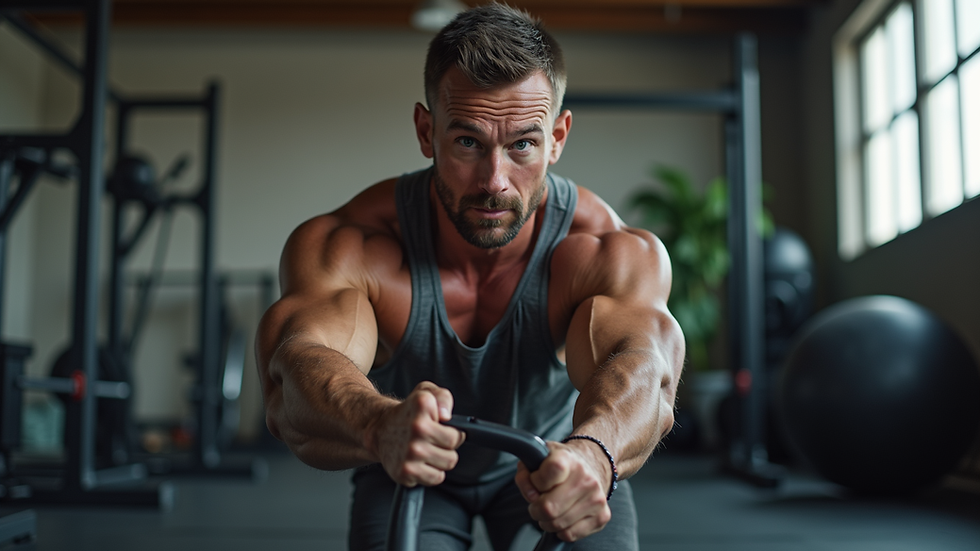
Understanding the Unique Needs of Veterans
Veterans face a range of challenges that can impact their physical and mental health. These challenges may include:
Physical Injuries: Many veterans return with injuries that require specialized rehabilitation.
Mental Health Issues: Conditions such as PTSD, anxiety, and depression are prevalent among veterans.
Transitioning to Civilian Life: The shift from military to civilian life can be overwhelming, affecting motivation and fitness levels.
Recognizing these unique needs is crucial for developing effective fitness coaching programs. A veteran-approved approach considers not only physical fitness but also emotional and psychological well-being.
The Role of Fitness in Recovery
Fitness plays a vital role in recovery for veterans. Engaging in regular physical activity can lead to numerous benefits, including:
Improved Physical Health: Regular exercise can help manage weight, improve cardiovascular health, and enhance overall physical fitness.
Enhanced Mental Health: Exercise releases endorphins, which can alleviate symptoms of depression and anxiety.
Increased Confidence: Achieving fitness goals can boost self-esteem and foster a sense of accomplishment.
Tailored Fitness Programs
A one-size-fits-all approach does not work for veterans. Tailored fitness programs that consider individual needs and goals are essential. Here are some key components of effective programs:
Assessment of Individual Needs: Before starting any program, a thorough assessment should be conducted to understand the veteran's physical condition, mental health status, and personal goals.
Incorporation of Rehabilitation Exercises: For veterans with injuries, rehabilitation exercises should be integrated into the fitness program to ensure safe and effective recovery.
Focus on Functional Fitness: Programs should emphasize functional movements that mimic daily activities, helping veterans regain independence and confidence.
Mental Health Support: Incorporating mindfulness practices, such as yoga or meditation, can enhance mental resilience and support emotional well-being.
Success Stories: Real-Life Examples
Case Study 1: John’s Journey to Recovery
John, a veteran who served in combat, returned home with physical injuries and struggled with PTSD. He enrolled in a veteran-approved fitness coaching program that focused on both physical rehabilitation and mental health support.
Initial Assessment: John’s coach assessed his physical limitations and mental health challenges.
Tailored Program: The program included strength training, flexibility exercises, and mindfulness practices.
Outcome: Over six months, John regained physical strength, reduced his PTSD symptoms, and developed a supportive community with fellow veterans.
Case Study 2: Sarah’s Transformation
Sarah, a veteran who faced challenges transitioning to civilian life, found herself feeling isolated and unmotivated. She joined a fitness coaching program designed specifically for veterans.
Community Focus: The program emphasized group workouts, fostering camaraderie among participants.
Holistic Approach: In addition to physical training, the program included workshops on mental health and coping strategies.
Outcome: Sarah not only improved her physical fitness but also built lasting friendships and found a renewed sense of purpose.
Selecting the Right Fitness Coach
Choosing the right fitness coach is crucial for effective recovery. Here are some tips for veterans seeking a coach:
Look for Experience with Veterans: Coaches who understand the unique challenges faced by veterans can provide more effective support.
Check Credentials: Ensure the coach has relevant certifications and experience in fitness training and rehabilitation.
Assess Compatibility: A good coach should be someone with whom the veteran feels comfortable and understood.
The Importance of Community Support
Community plays a significant role in recovery. Engaging with fellow veterans can provide emotional support and motivation. Here are some ways to foster community:
Group Workouts: Participating in group fitness classes can create a sense of belonging and accountability.
Support Groups: Joining veteran support groups can provide a platform for sharing experiences and coping strategies.
Social Events: Organizing social events centered around fitness can strengthen bonds and encourage participation.
Overcoming Barriers to Fitness
Veterans may face various barriers to maintaining a fitness routine. Here are some common challenges and strategies to overcome them:
Time Constraints: Many veterans juggle work, family, and other commitments. Setting realistic fitness goals and scheduling workouts can help.
Motivation: Finding a workout buddy or joining a group can enhance motivation and accountability.
Access to Facilities: If access to gyms is limited, exploring outdoor workouts or home-based exercises can be effective alternatives.
The Future of Veteran Fitness Coaching
As awareness of the unique needs of veterans grows, so does the development of specialized fitness coaching programs. The future may include:
Increased Accessibility: More programs tailored for veterans will become available, both in-person and online.
Integration of Technology: Fitness apps and virtual coaching can provide additional support and resources for veterans.
Research and Development: Ongoing research into the benefits of fitness for veterans will lead to more effective coaching strategies.
Conclusion
Veteran-approved fitness coaching is a powerful tool for effective recovery. By understanding the unique needs of veterans and providing tailored fitness programs, we can support their journey toward improved physical and mental well-being. Whether through community support, personalized coaching, or innovative approaches, the path to recovery is paved with strength, resilience, and hope.
As we move forward, let us continue to advocate for the health and wellness of our veterans, ensuring they receive the support they deserve. If you or someone you know is a veteran seeking fitness coaching, take the first step today and explore the options available. Your journey to recovery begins now.

Comments